By Gloria Shoki
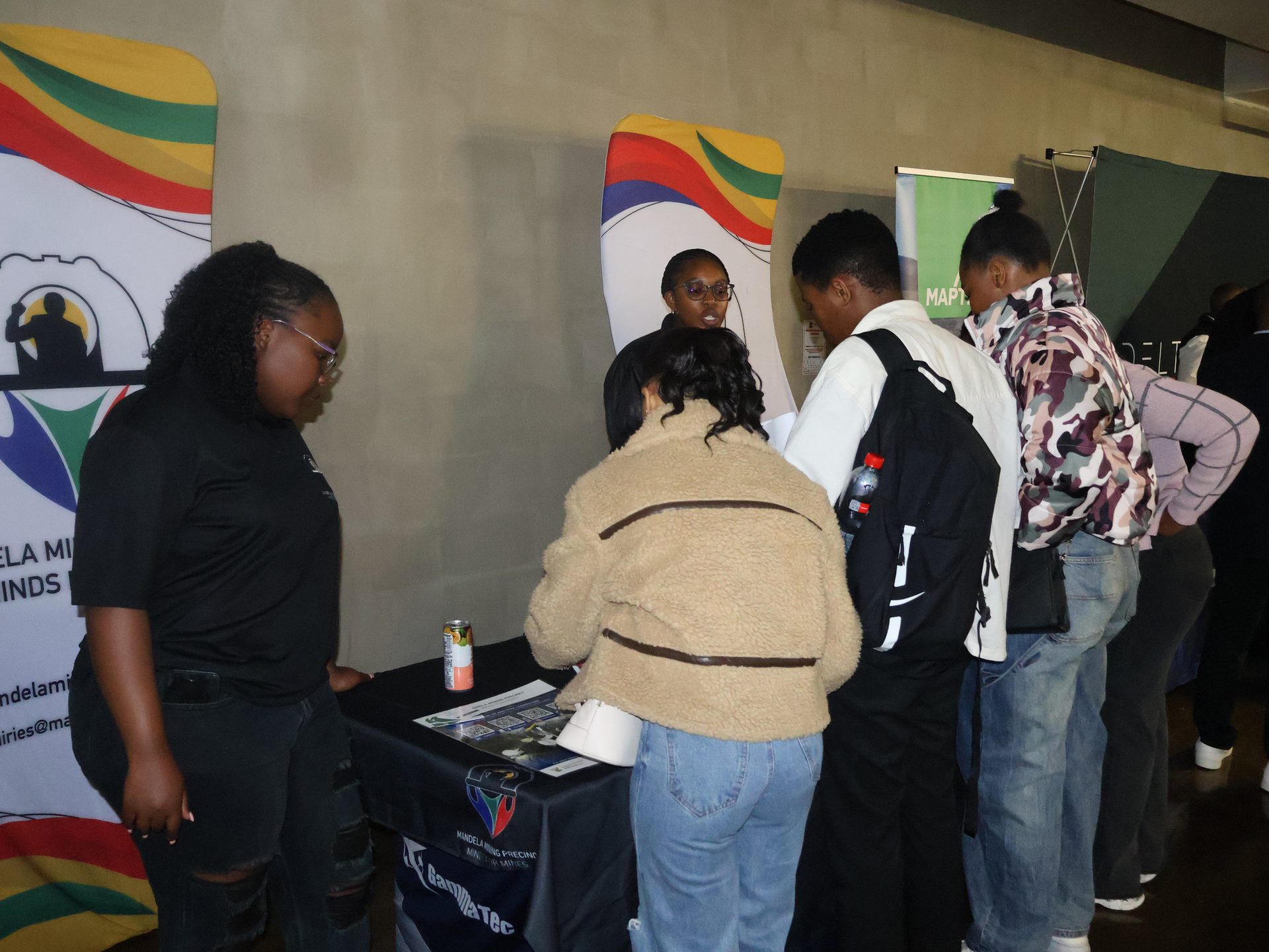
The Mandela Mining Precinct (MMP) participated in the Flyability Mining Connect Day, held on 15 September 2026 at the University of Johannesburg’s Doornfontein Campus, where industry experts explored how drone and robotics technology can improve safety and reduce workers’ exposure to hazardous mining environments.
Hosted by Swiss robotics and drone technology company Flyability, the event brought together mining, engineering, technology and safety professionals to examine the growing role of remotely operated technologies in addressing some of the industry’s most challenging safety risks.
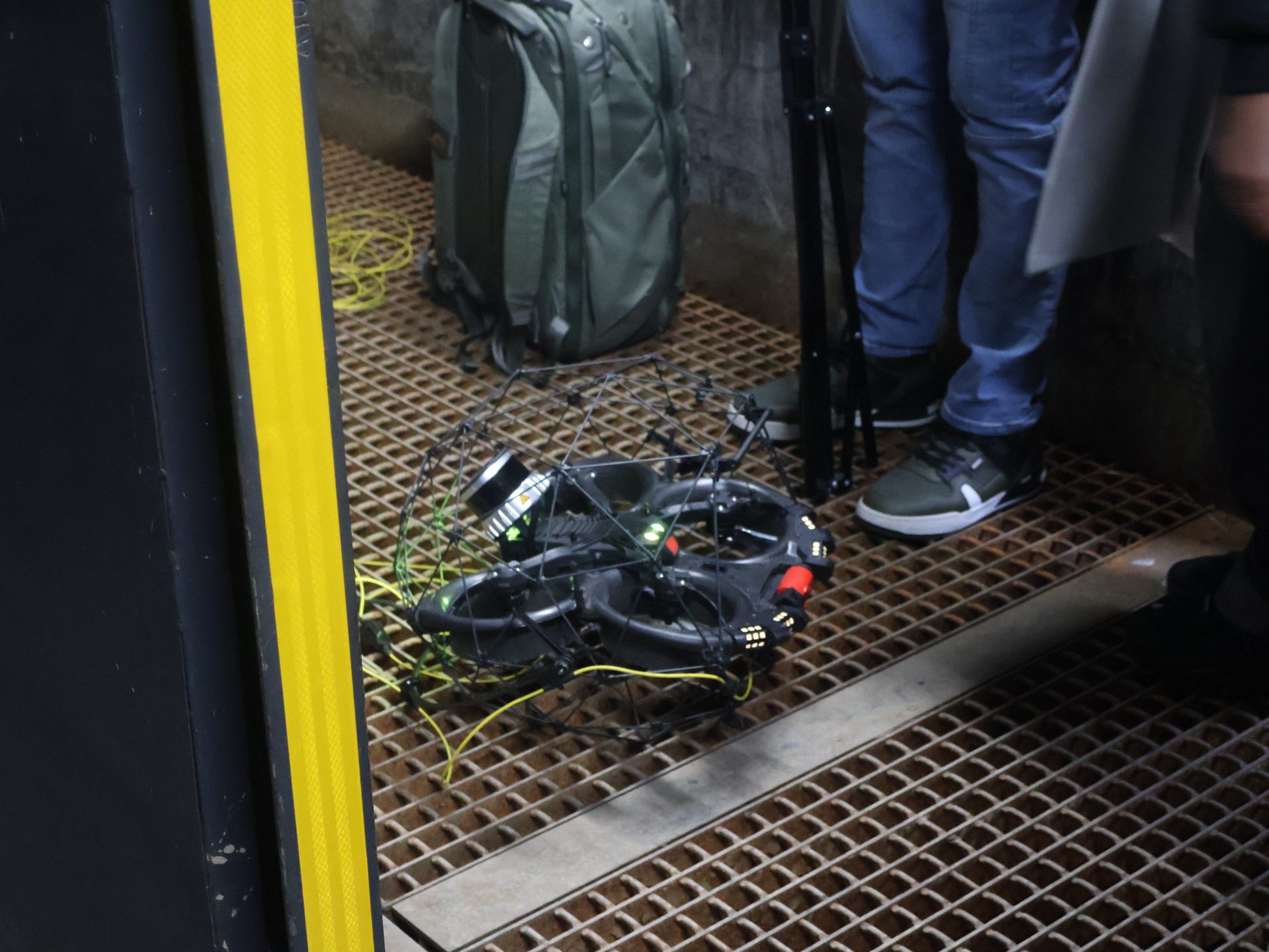
A highlight of the event was a live demonstration of the Elios 3, Flyability’s flagship indoor inspection and mapping drone. The demonstration showcased how the technology can provide visual data from confined or otherwise inaccessible areas while allowing personnel to remain at a safe distance.
The demonstration took place at the Sibanye-Stillwater Simulacrum, a realistic underground mining environment at the event venue, providing a practical setting to demonstrate the application of drone technology in mining.
The potential of drones to transform mining safety was further explored during a panel discussion, with industry experts highlighting both the opportunities and challenges associated with deploying the technology underground.
Larnston Gowera, Managing Director of Vision AI, said drones are “here to stay”, while acknowledging the operational challenges posed by environments characterised by water, dust and darkness. He noted that while these challenges cannot be avoided, continued development and improvement of hardware applications will be essential to expanding the use of drones in mining.
A practical example of this potential was presented by Ian Grobler, Senior Surveyor at Sibanye-Stillwater, in his case study, “The Rise of Drones in Mining Safety.” Grobler demonstrated how drone technology was used during a fall-of-ground investigation to identify an obstruction in a confined underground area without requiring workers to enter the hazardous space.
The obstruction was subsequently removed using the same drone technology, demonstrating how remotely operated systems can reduce workers’ exposure to potentially dangerous conditions.
Grobler emphasised, however, that technology is not a replacement for mining expertise. “The drone does not replace expertise,” he said, explaining that the technology serves as a tool that complements the knowledge and experience of mining professionals.
This point was echoed during the Technology Revolutionising Mine Safety Expert Panel, where Henreich Greef, Principal Rock Engineer at the Council for Scientific and Industrial Research (CSIR), stressed the importance of identifying the hazard before selecting the technology required to address it.
“Every decision should be based on what is being experienced,” said Greef, highlighting the need for technology adoption to be driven by real mining challenges rather than technology for its own sake.
For MMP, participation in industry platforms such as Flyability Mining Connect Day provides an opportunity to engage with emerging technologies and industry practitioners working to address critical mining safety challenges. It also supports ongoing conversations around how innovation, research and technology can contribute to safer and more productive mining operations.
The discussions reinforced an important principle for technology adoption in mining: the objective is not simply to replace people with machines, but to use technology intelligently to remove people from unnecessary exposure to hazardous environments while enhancing the capabilities of mining professionals.